US Tariffs, Freight Costs Undercut Chinese Battery Price Advantage
- Chinese battery manufacturers are facing increased challenges in maintaining their price advantage in the U.S. market due to tariffs and rising freight costs.
- The shift in competitive dynamics suggests a potential opening for domestic producers to capture market share.
- As the cost structure for imported batteries becomes less favorable, U.S. manufacturers may accelerate investments in local production capabilities.
The current landscape for Chinese battery manufacturers in the U.S. is shifting dramatically, driven by tariffs and escalating freight costs that are eroding their traditional price advantages. This development is particularly significant as the demand for electric vehicle (EV) batteries continues to surge, making the competitive positioning of battery suppliers critical for market success. The implications of these changes are profound, as they not only affect pricing strategies but also influence the broader dynamics of the EV supply chain.
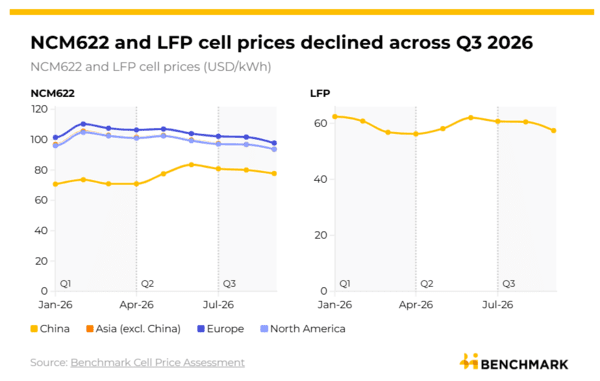
Recent analyses indicate that the tariffs imposed on Chinese imports, combined with rising shipping expenses, have begun to significantly impact the pricing of batteries sourced from China. As these costs rise, the competitive edge that Chinese manufacturers once enjoyed is diminishing, creating a more level playing field for U.S. producers. This shift is particularly relevant in the context of the Biden administration's push for domestic manufacturing and supply chain resilience, which aligns with broader national interests in reducing reliance on foreign sources for critical technologies.
The erosion of price advantages for Chinese battery makers signals a potential opportunity for U.S. manufacturers to expand their market presence. As the cost of importing batteries becomes less favorable, domestic companies may find it increasingly viable to invest in local production facilities. This could lead to a significant transformation in the battery supply chain, fostering innovation and potentially lowering costs for consumers in the long run. The strategic implications of this shift could also extend to national security considerations, as a robust domestic battery manufacturing sector would reduce vulnerabilities associated with foreign supply dependencies.
Moreover, the changing cost dynamics could accelerate the pace of technological advancements within the U.S. battery sector. As competition intensifies, manufacturers may be compelled to innovate more rapidly to differentiate their products and capture market share. This could lead to advancements in battery technology, efficiency, and sustainability, aligning with the growing emphasis on clean energy solutions. In this context, the current challenges faced by Chinese battery makers may inadvertently catalyze a more competitive and innovative landscape in the U.S. battery market.