'Those Seeking To Break Canada...': Carney Alerts Canadians Amid Feud With Trump Over U.S. Tariffs
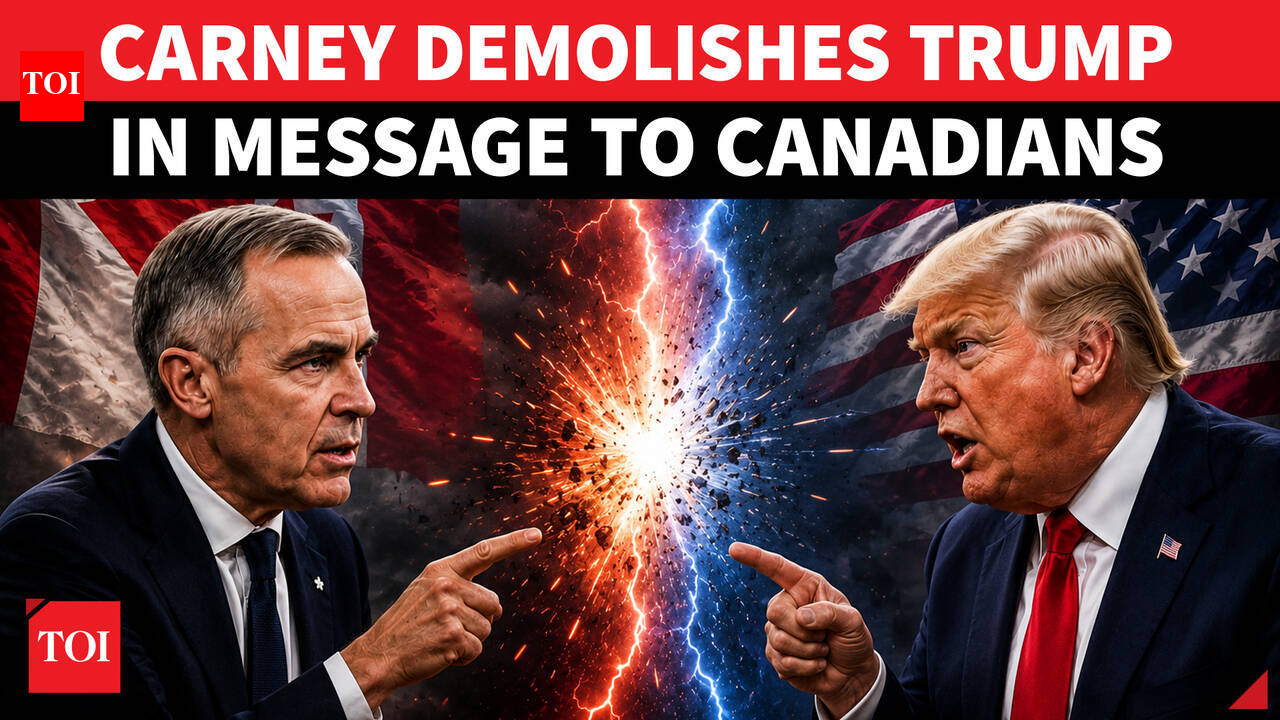
- Mark Carney's warning highlights the potential economic vulnerabilities Canada faces amid escalating trade tensions with the U.S.
- The ongoing feud over tariffs underscores the fragility of Canada-U.S. relations, which could have far-reaching implications for Canadian businesses.
- Carney's remarks serve as a rallying cry for Canadians to unite against external pressures that threaten national stability and economic integrity.
The current trade tensions between Canada and the United States have reached a critical juncture, prompting Mark Carney to issue a stark warning to Canadians. As the former governor of the Bank of England and a prominent figure in global finance, Carney's insights carry significant weight, particularly in light of the ongoing feud with the Trump administration over tariffs. This situation is not merely a diplomatic spat; it poses real risks to Canada's economic stability and its position in the North American market. The urgency of Carney's message reflects a broader concern about the potential for external forces to undermine Canada's economic sovereignty.
The backdrop of this conflict is the imposition of tariffs by the U.S., which has sparked retaliatory measures from Canada. Carney's remarks emphasize that these actions are not isolated incidents but rather part of a larger strategy that could destabilize the Canadian economy. He suggests that there are those who would seek to exploit these tensions to weaken Canada from within, highlighting the need for a united front among Canadians. This call to action is particularly relevant as businesses and consumers alike grapple with the implications of increased costs and disrupted supply chains resulting from the tariffs.
Moreover, Carney's warning serves as a reminder of the interconnectedness of the Canadian and U.S. economies. The reliance on cross-border trade means that any significant disruption can have cascading effects on Canadian industries, from manufacturing to agriculture. As such, the stakes are high; the potential for job losses and economic downturns looms large if the situation escalates further. Carney's perspective urges Canadians to recognize the importance of solidarity in the face of external pressures that threaten their economic well-being.
In conclusion, Carney's alert is not just about the immediate economic implications of tariffs; it is a broader commentary on national resilience and unity. The ongoing feud with the U.S. serves as a critical test for Canada, one that could redefine its economic landscape for years to come. As Canadians navigate this turbulent period, Carney's call for vigilance and cooperation may prove essential in safeguarding the nation's interests against those who would seek to break its resolve.