UK signals it could coordinate with EU on Chinese EV tariffs
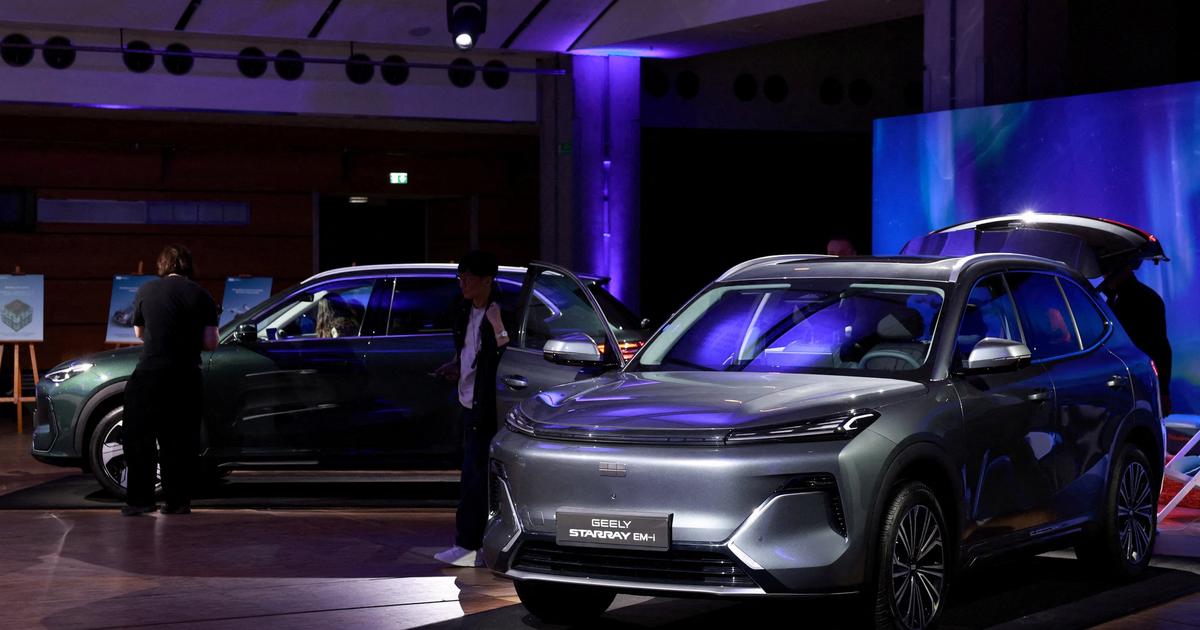
- The UK is considering aligning its tariff strategy on Chinese electric vehicles with the EU's approach, indicating a shift towards more protectionist measures.
- This potential coordination reflects growing concerns among European leaders about the impact of Chinese imports on local industries.
- The move could lead to significant changes in the competitive landscape for electric vehicles in Europe, affecting both manufacturers and consumers.
The urgency of the UK's potential alignment with the EU on tariffs for Chinese electric vehicles underscores a critical moment in the global automotive market. As European leaders adopt a more aggressive stance to protect domestic industries, the implications for trade dynamics and competitive positioning are profound. The UK’s consideration to coordinate with the EU signals a recognition of the challenges posed by an influx of Chinese EVs, which could undermine local manufacturers and disrupt market equilibrium. This shift is not merely a reaction to economic pressures; it reflects a strategic recalibration in response to the evolving landscape of international trade and competition.
Recent discussions among European leaders have highlighted a unified concern regarding the impact of Chinese imports on local businesses. The EU's aggressive tariff stance aims to shield its automotive sector from what many perceive as unfair competition, driven by state subsidies and lower production costs in China. The UK's potential involvement in this tariff strategy suggests a broader consensus is forming among European nations about the need for protective measures. This coordination could enhance the effectiveness of tariffs, creating a more formidable barrier against Chinese EVs entering the European market.
The implications of this potential tariff alignment are significant. For UK and EU manufacturers, it could level the playing field, allowing them to compete more effectively against Chinese firms that benefit from substantial government support. However, this protectionist approach may also lead to increased prices for consumers, as tariffs typically raise the cost of imported goods. The balance between protecting local industries and ensuring consumer access to affordable EV options will be a critical consideration for policymakers moving forward.
Moreover, the potential for coordinated tariffs could spark a broader geopolitical response, as other regions may react to Europe’s protective measures. Countries outside of Europe, particularly those with strong automotive sectors, may view this as a challenge to their own market access and could retaliate with their own trade barriers. The unfolding situation will require careful navigation to avoid escalating trade tensions that could have far-reaching consequences for the global automotive industry.