尼泊尔称,主要污染者必须“醒悟”,并就洪灾事件呼吁获得气候赔偿

- Nepal's government is demanding accountability from major polluters in light of recent devastating floods, emphasizing the urgent need for climate compensation.
- The call for reparations highlights the disproportionate impact of climate change on vulnerable nations, reinforcing the moral obligation of industrialized countries.
- This situation underscores a growing recognition of the need for systemic change in how climate-related damages are addressed globally.
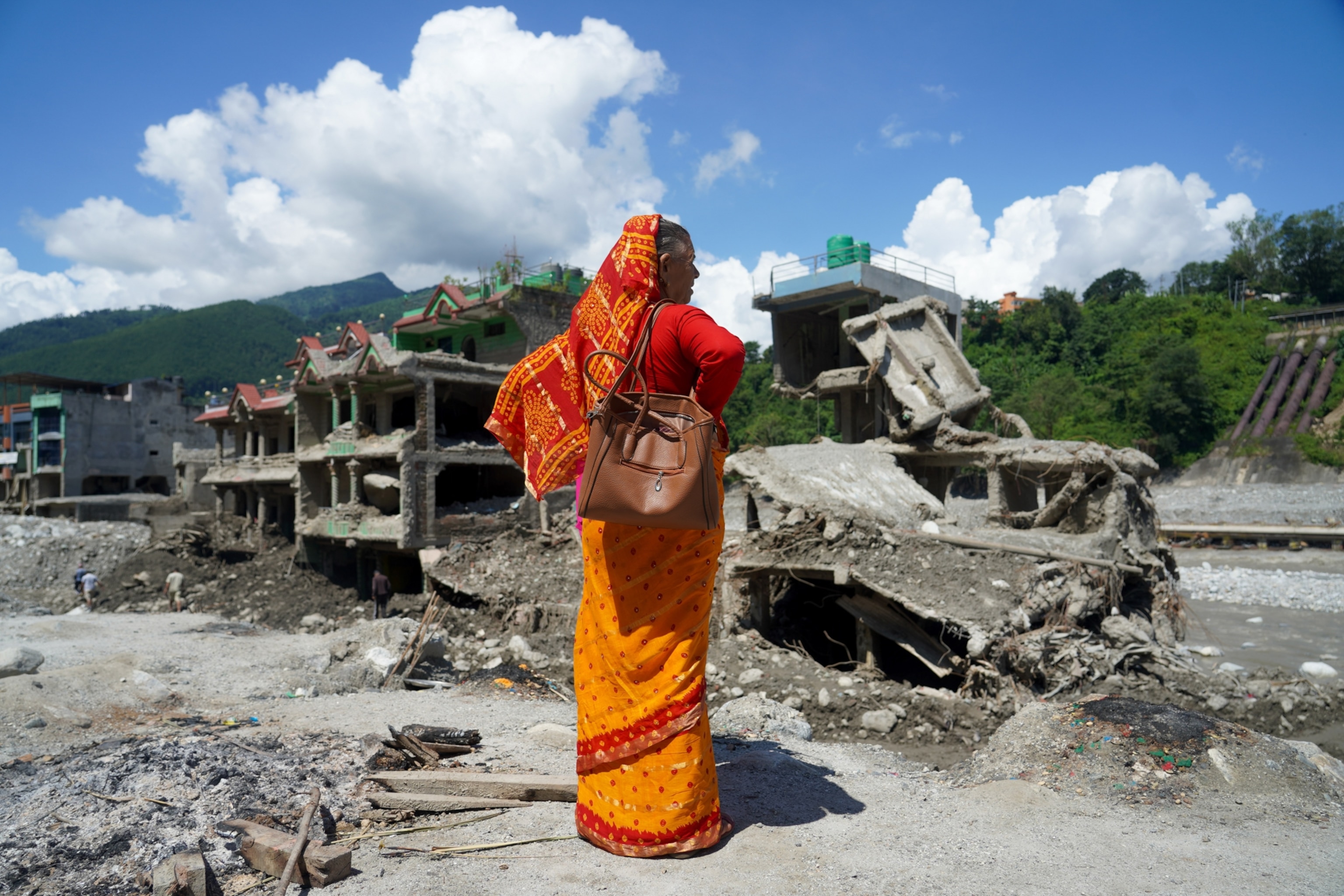
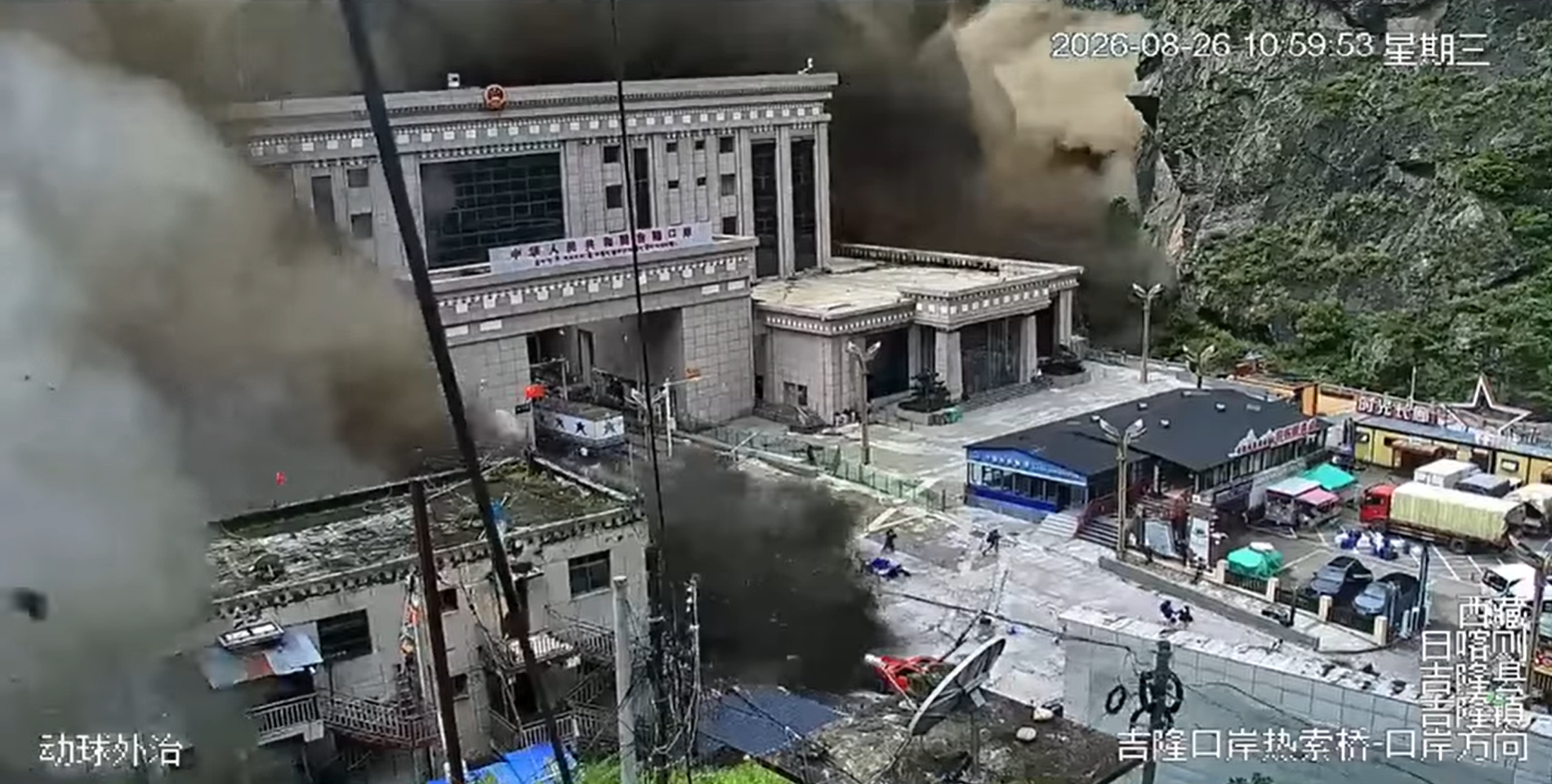
The urgency of Nepal's call for climate compensation cannot be overstated, particularly in the wake of catastrophic flooding that has wreaked havoc on communities and infrastructure. As the nation grapples with the immediate aftermath of this disaster, it is clear that the effects of climate change are not merely theoretical; they are manifesting in real and devastating ways. The Nepali government’s insistence that major polluters "wake up" serves as a stark reminder of the moral and ethical responsibilities that come with industrialization and environmental degradation.
The floods have prompted Nepal to demand reparations from countries that have historically contributed the most to greenhouse gas emissions. This demand is rooted in the recognition that developing nations like Nepal are disproportionately affected by climate-related disasters, despite contributing minimally to the problem. The Nepali government’s stance reflects a broader sentiment among vulnerable nations that the global community must take responsibility for the consequences of climate change, which often manifest as natural disasters that devastate local economies and livelihoods.
This call for compensation is not just about financial reparations; it signals a critical shift in the narrative surrounding climate justice. By framing the issue in terms of accountability, Nepal is challenging the status quo and urging industrialized nations to acknowledge their role in exacerbating climate vulnerabilities. The implications of this stance extend beyond Nepal, as it could galvanize other nations facing similar challenges to demand their rights and seek reparations for climate-induced damages.
As the world continues to confront the realities of climate change, Nepal's appeal for compensation highlights the urgent need for a more equitable approach to climate policy. The international community must recognize that the impacts of climate change are not evenly distributed and that those who have contributed the least to the problem often bear the brunt of its consequences. This situation serves as a clarion call for systemic change in how climate-related damages are addressed, pushing for a framework that prioritizes justice and accountability in the face of an escalating climate crisis.