If Climate Change Contributed to Nepal’s Floods, Should Polluters Pay?
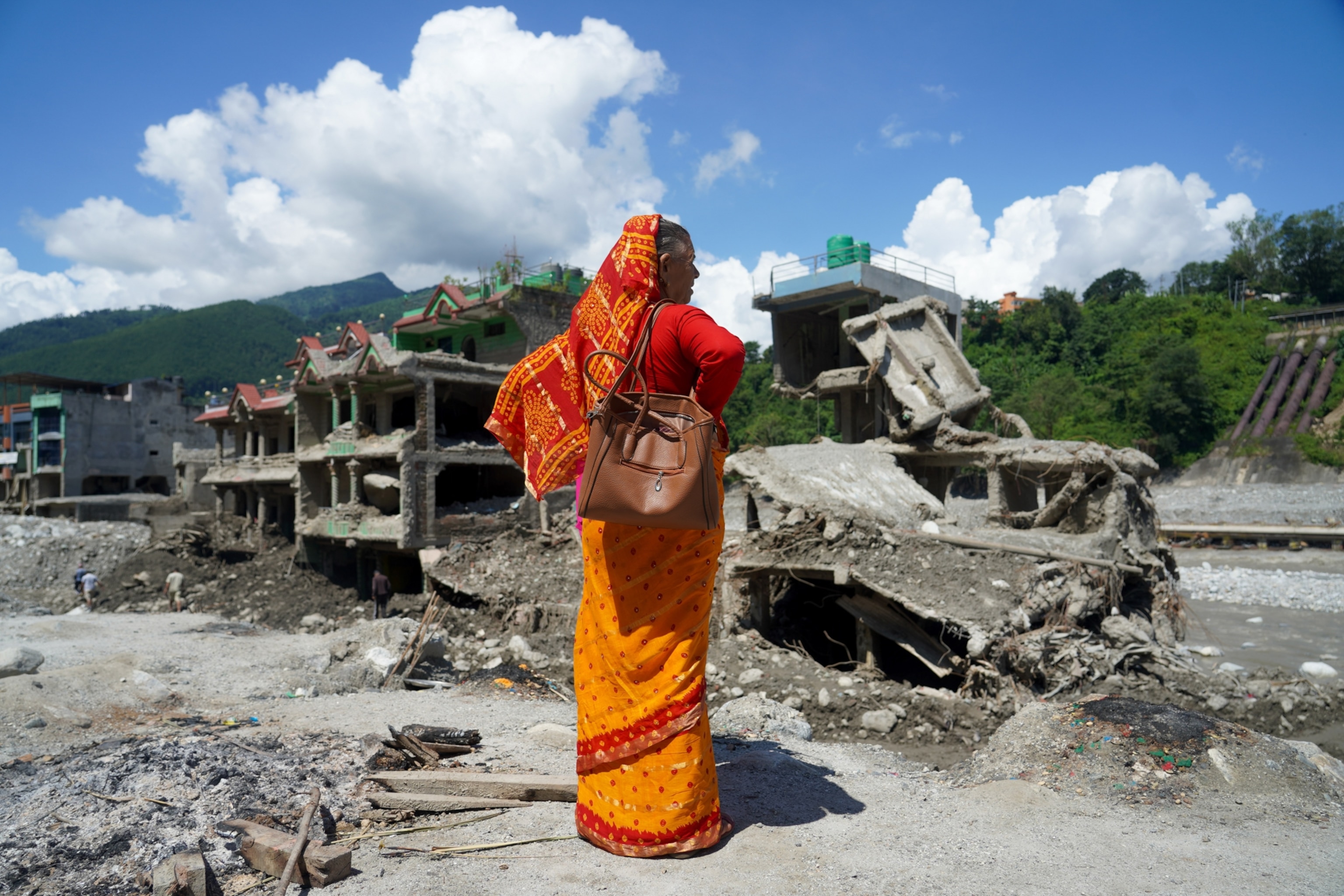
- Nepal, contributing less than 0.1% of global greenhouse gas emissions, faces severe climate-induced disasters, highlighting the urgent need for climate justice funding.
- The recent Rasuwa disaster, exacerbated by climate change, underscores the inadequacy of Nepal's flood warning systems and the necessity for international support for recovery and adaptation.
- As climate litigation grows globally, the attribution of specific disasters to human-induced climate change may pave the way for accountability among major polluters, despite current legal challenges.
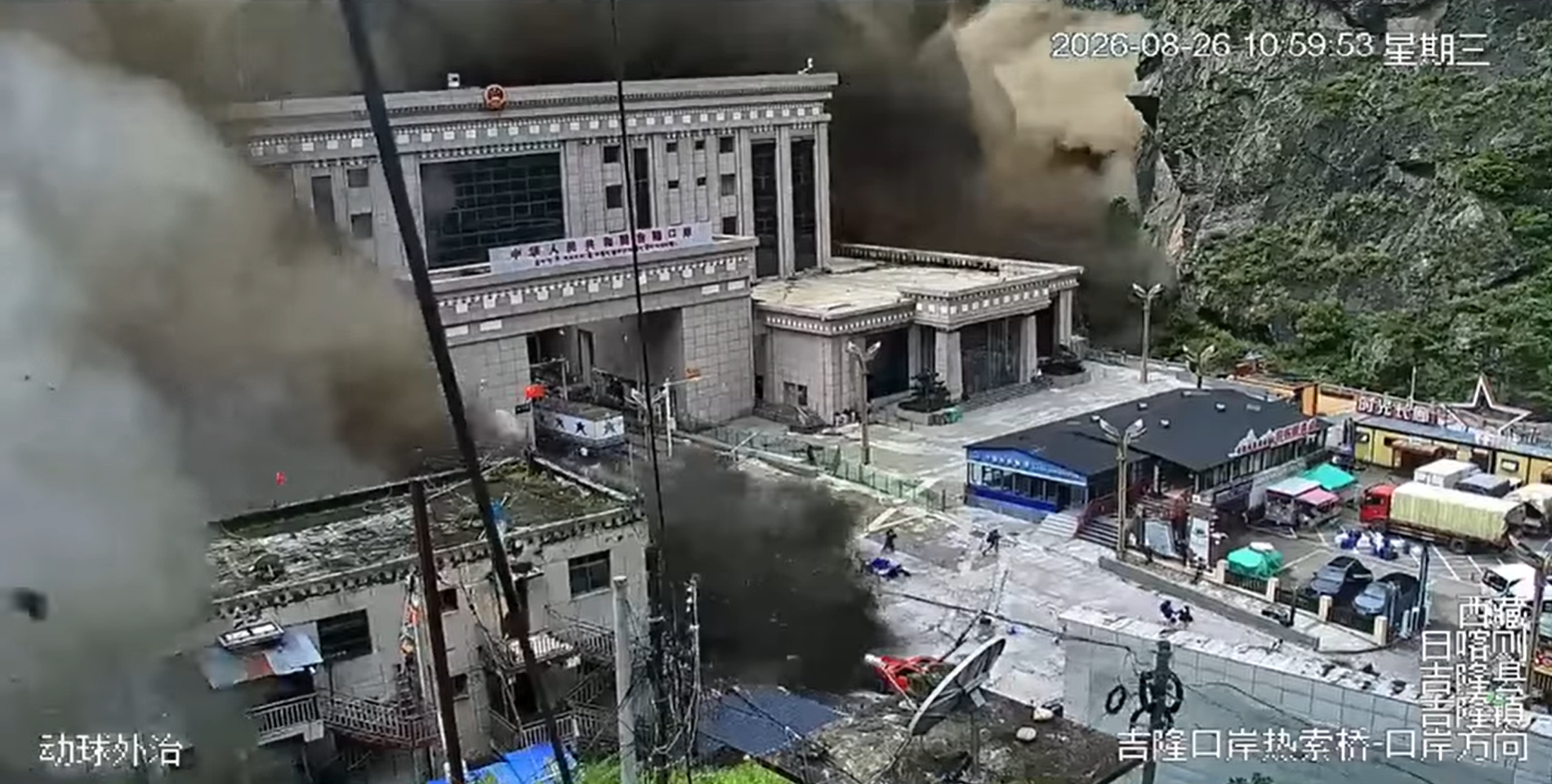
The urgency of addressing climate change has never been more pronounced, particularly for nations like Nepal that bear the brunt of its impacts despite minimal contributions to global emissions. The catastrophic collapse of a glacier in the Himalayas, resulting in over 1,300 fatalities and thousands missing, serves as a stark reminder of the vulnerabilities faced by small nations. This disaster, analyzed by the World Weather Attribution initiative, reveals how climate change has conditioned the environment for such failures, making it imperative for Nepal to seek international support framed within the context of climate justice.
Nepal's joint request to the United Nations’ Fund for Responding to Loss and Damage, amounting to $20 million for immediate recovery efforts, reflects a broader narrative of accountability. The country estimates that recovery from the Rasuwa disaster will cost $4.8 billion, a staggering figure that represents over 11% of its GDP. Framing this request as a matter of justice rather than mere aid emphasizes the moral obligation of wealthier nations, which have historically contributed the most to greenhouse gas emissions, to assist those like Nepal that are disproportionately affected by climate change.
The findings from the attribution study highlight the complex interplay between geological vulnerabilities and climate-induced changes, such as permafrost thaw and altered precipitation patterns. These factors have destabilized the region, leading to catastrophic outcomes that exceed the limits of Nepal’s current adaptation strategies. The study's conclusion that climate change is transforming high mountain environments into increasingly hazardous zones underscores the need for robust international recovery and reconstruction support as a critical component of climate response strategies.
As Nepal navigates the aftermath of this disaster, the broader implications of climate litigation are becoming evident. The rise in lawsuits linking climate change to specific events, such as the recent case in Oregon against oil companies, illustrates a growing trend where attribution science is used to hold polluters accountable. However, the challenges of establishing clear causation in complex events like the Rasuwa disaster remain significant. Despite these hurdles, the increasing sophistication of climate models and attribution research may eventually lead to greater accountability for those responsible for greenhouse gas emissions, reinforcing the call for justice in the face of climate-induced disasters.