Nepal-Tibet Floods: The Deadly Consequences Of Climate Change
- The recent flash floods in the Himalayas highlight the immediate and severe impacts of climate change on vulnerable communities.
- As climate patterns shift, the frequency and intensity of such natural disasters are expected to increase, posing significant risks to infrastructure and livelihoods.
- The situation underscores the urgent need for comprehensive climate adaptation strategies in the region to mitigate future disasters.
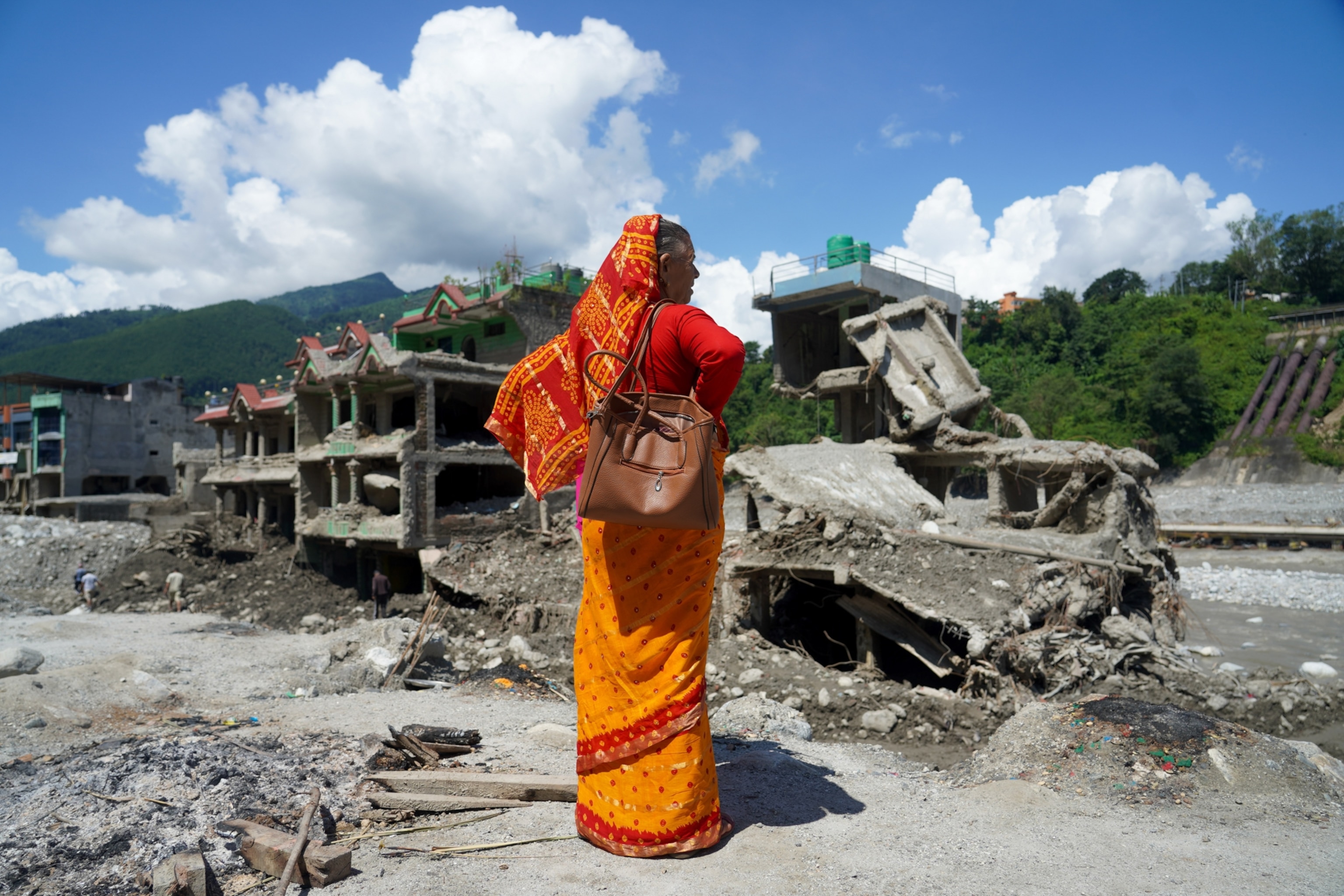
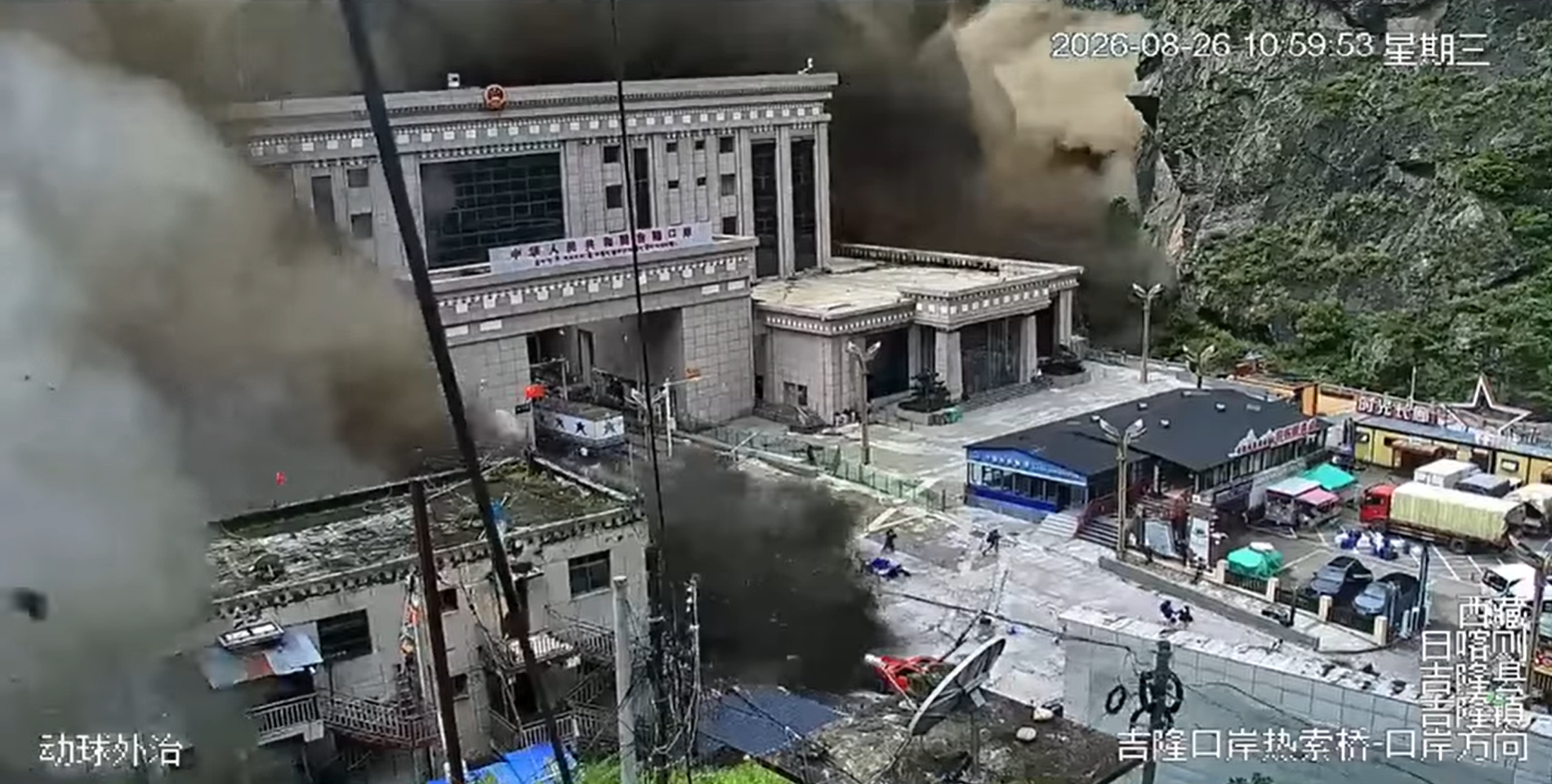
The catastrophic flash floods that struck the Himalayas on August 26 serve as a stark reminder of the escalating consequences of climate change, particularly in regions already grappling with environmental vulnerabilities. The inundation of the Trishula, Langtang Khola, and Bhote Koshi rivers has not only caused immediate destruction but also raised alarms about the long-term viability of communities in Northern Nepal and Tibet. The floods have devastated infrastructure, disrupted local economies, and displaced countless individuals, revealing the urgent need for a robust response to climate-induced disasters.
The floods were triggered by a combination of heavy rainfall and rapid snowmelt, phenomena that are becoming increasingly common as global temperatures rise. This climatic shift is expected to exacerbate the frequency and severity of such events, making it imperative for local governments and international organizations to prioritize climate resilience. The destruction at Gyirong Port, a critical commercial hub between Nepal and Tibet, illustrates the interconnectedness of regional economies and the potential for widespread disruption when climate events strike. The loss of this vital trade route not only affects local businesses but also has broader implications for economic stability in the region.
In the aftermath of the floods, the immediate focus must be on humanitarian aid and recovery efforts. However, this disaster also presents an opportunity to reassess and strengthen climate adaptation strategies. The need for comprehensive planning that includes infrastructure improvements, community education on disaster preparedness, and investment in sustainable practices is more pressing than ever. Without such measures, the region risks facing even greater devastation in the future as climate change continues to unfold.
The situation in the Himalayas is a microcosm of a larger global challenge, where the impacts of climate change are felt most acutely by those least equipped to cope. As communities begin to rebuild, it is crucial that they do so with an eye toward sustainability and resilience. The lessons learned from this disaster should inform future policies and initiatives aimed at mitigating the risks associated with climate change, ensuring that vulnerable populations are better prepared for the challenges that lie ahead.