Bandar Kuching MP Moots Haze Tariffs On Indonesia
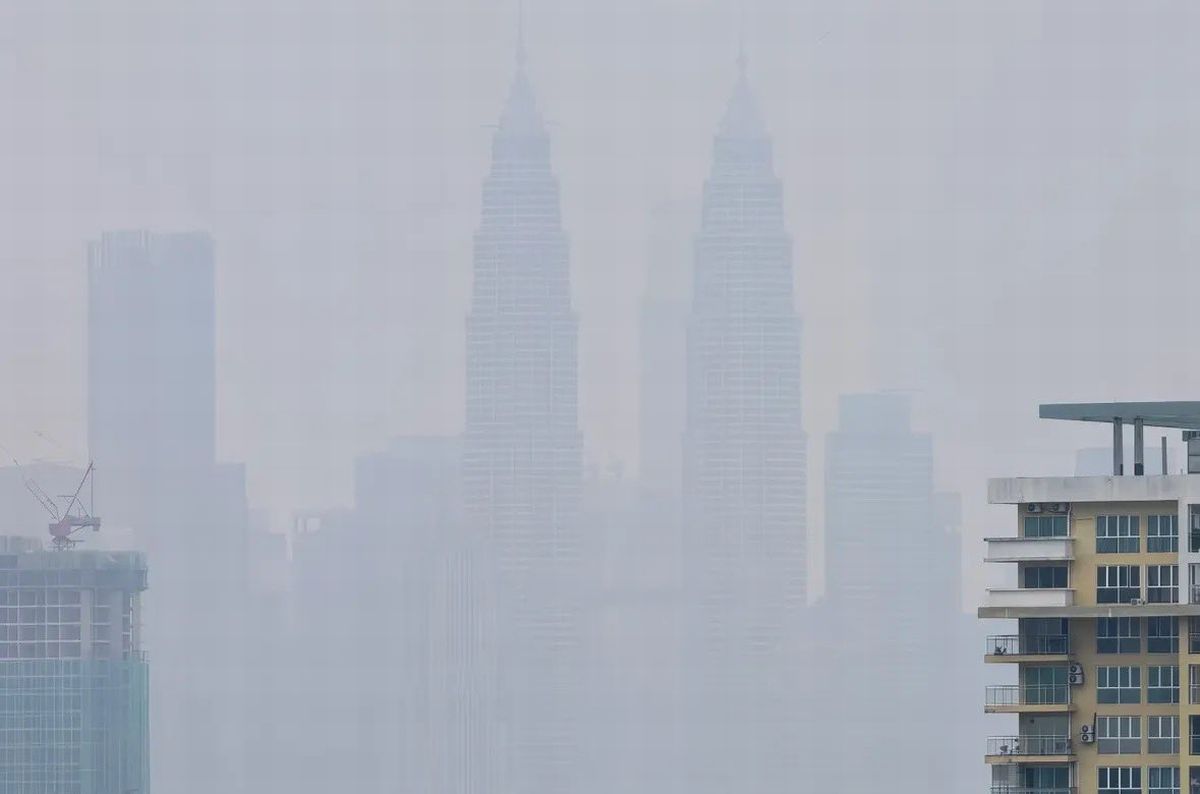
- Kelvin Yii advocates for Malaysia to impose Haze Tariffs on Indonesia to hold foreign companies accountable for environmental damage.
- The proposal underscores a growing frustration with transboundary haze pollution and its impact on public health and the environment.
- This move could set a precedent for environmental accountability in trade relations within the region.
The urgency of addressing transboundary haze pollution has reached a critical point, as Malaysian lawmakers increasingly recognize the detrimental effects on public health and the environment. Bandar Kuching MP Kelvin Yii's proposal to implement Haze Tariffs on products imported from Indonesia represents a significant step towards holding foreign companies accountable for their role in forest burning. By suggesting that "the polluter must pay," Yii is framing the issue not just as an environmental concern but as a matter of trade justice and accountability, which resonates with a growing public sentiment against the ongoing haze crisis. Yii's call for action is a direct response to the persistent haze that plagues Malaysia, primarily attributed to agricultural practices in Indonesia, particularly the burning of forests for palm oil cultivation. This practice not only contributes to air pollution but also poses serious health risks to millions of Malaysians. By targeting imported products from companies linked to these environmentally harmful practices, the proposed tariffs aim to create a financial disincentive for such activities, thereby encouraging more sustainable practices in the region. The implications of this proposal extend beyond immediate environmental concerns; it signals a potential shift in trade dynamics within Southeast Asia. If Malaysia moves forward with Haze Tariffs, it could encourage other nations to adopt similar measures, fostering a regional approach to environmental accountability. This could lead to a broader conversation about the responsibilities of companies operating in countries with lax environmental regulations and the need for stricter enforcement of sustainable practices across borders. Moreover, the proposal highlights the intersection of trade policy and environmental stewardship, suggesting that economic tools can be leveraged to address ecological crises. As the region grapples with the consequences of climate change and environmental degradation, initiatives like Yii's could pave the way for more robust policies that prioritize sustainability and public health. The effectiveness of such tariffs will depend on their implementation and the willingness of both governments and corporations to engage in meaningful dialogue about environmental responsibility.