What We’re Tracking for the Rest of 2026
- The upcoming months will be pivotal for climate and energy policy, with significant events that could reshape the landscape ahead of the new year.
- The UN General Assembly and Climate Week will coincide with a critical state visit by President Xi Jinping, highlighting the intersection of international relations and climate discussions.
- Key elections in Brazil and the U.S. will influence global climate commitments and domestic energy policies, potentially altering the trajectory of climate action in both nations.
The urgency of the next few months cannot be overstated, as they will serve as a critical juncture for climate and energy policy both in the United States and globally. With only 114 days left in 2026, the outcomes of key events and elections will likely have lasting implications for how nations address climate change and energy reform. The convergence of political dynamics, particularly with the upcoming U.S. elections and international summits, will set the stage for significant shifts in policy and public discourse surrounding climate action.
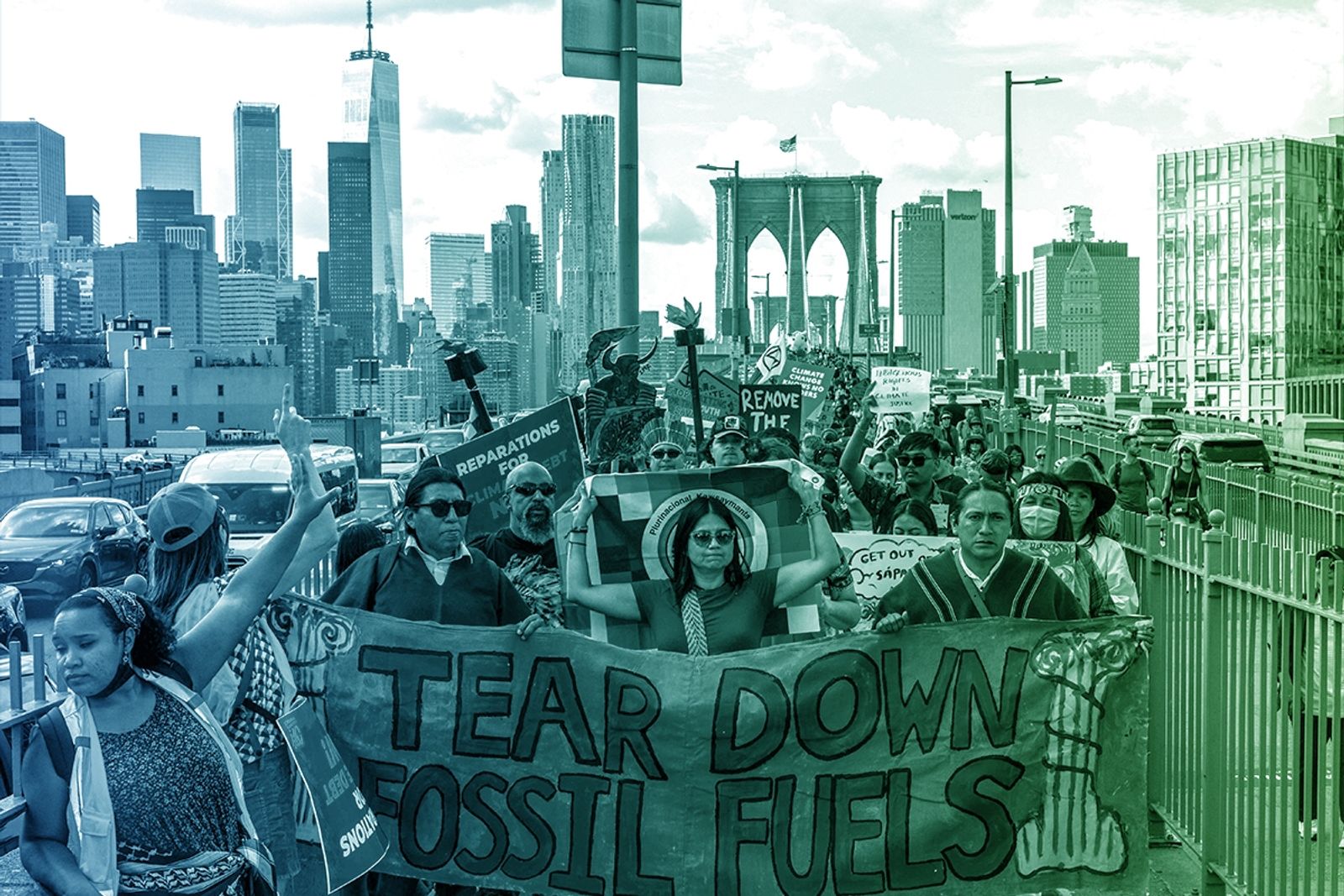
The UN General Assembly, scheduled for September 22 to September 28, will see world leaders gather in New York City, coinciding with Climate Week. This year, the event will be marked by President Xi Jinping's state visit to the U.S., hosted by former President Trump. While Xi's attendance at the UN is absent, the discussions in Washington are expected to focus on trade, AI, and Taiwan, rather than climate change. This juxtaposition underscores the complex interplay between international relations and climate commitments, as the U.S. grapples with its diplomatic stance amidst a backdrop of pressing environmental issues.
As the political landscape shifts, the Brazilian elections on October 4 will also be pivotal. With former President Jair Bolsonaro under house arrest and unable to run, the election will be a referendum on the current administration's climate policies. President Lula da Silva, who has committed to significant greenhouse gas reductions, leads in the polls. The outcome could either bolster Brazil's climate commitments or signal a retreat, depending on the electoral results and subsequent policy directions.
The U.S. midterm elections on November 3 will further complicate the climate policy landscape. With Democrats poised to potentially retake the House and possibly the Senate, the second half of President Trump’s term could see increased scrutiny on environmental policies. The anticipated shift in congressional power may lead to more aggressive oversight of the administration's actions, particularly concerning energy policies and environmental regulations. The implications of these elections extend beyond immediate governance; they will shape the narrative leading into the 2028 presidential election and influence the broader climate agenda.
Finally, the UN climate conference in Antalya, Turkey, from November 9 to November 20 will be a critical platform for discussing clean energy and waste reduction. This summit, hosted by Turkey but politically led by Australia, will be significant in framing the global response to climate change in a post-Trump era. The outcomes of this conference will likely reflect the evolving priorities of nations as they navigate the complexities of climate commitments amid shifting political tides. The convergence of these events highlights the interconnectedness of climate action and political dynamics, underscoring the importance of the coming months in shaping the future of global climate policy.