Electrifying homes and cars can save $5,000 a year, but households confused by policy “mixed messages”
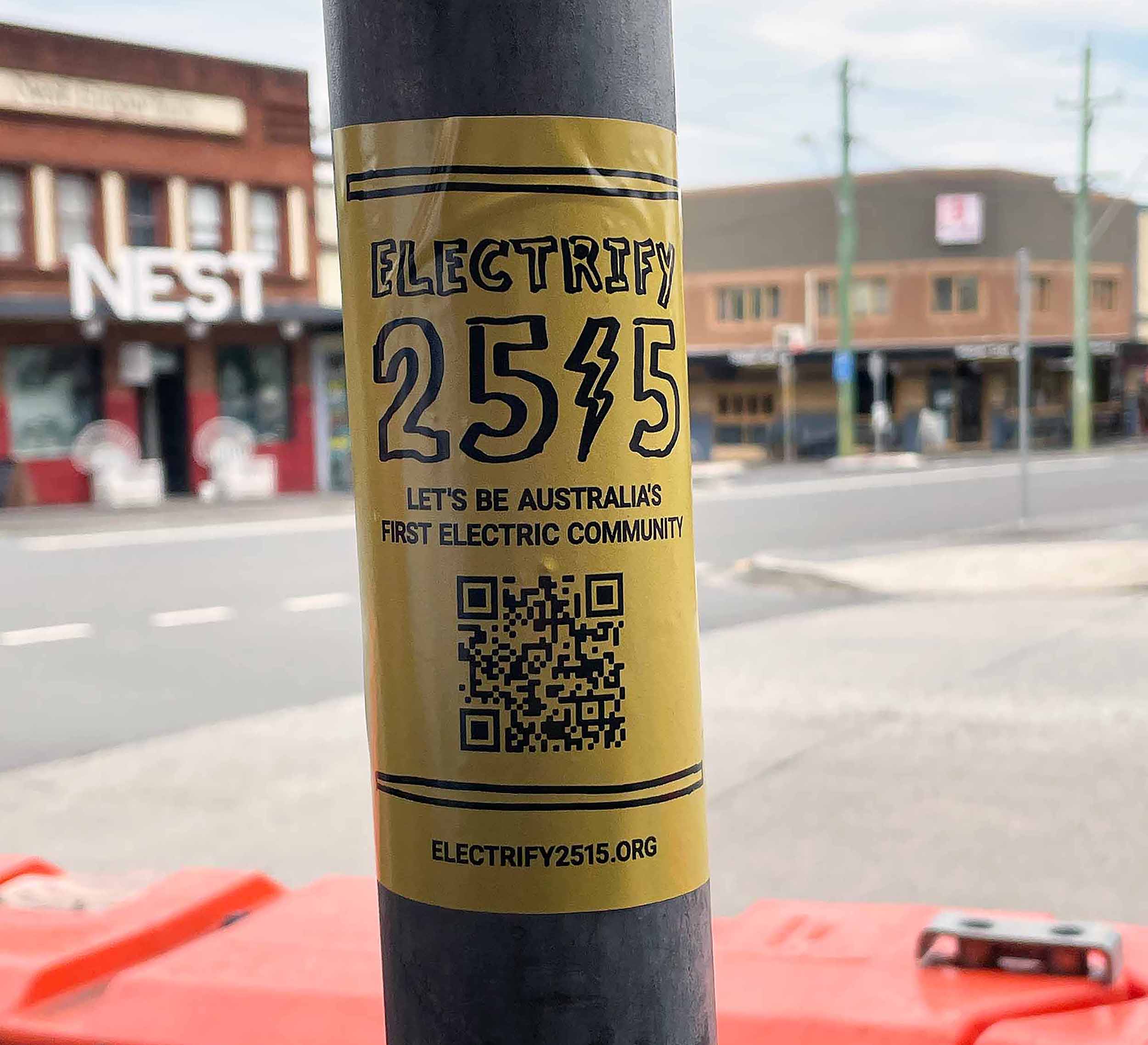
- Electrifying homes and vehicles could yield annual savings of $5,000 for households, highlighting the financial benefits of transitioning to electric technologies.
- Over 30 organizations are calling on the federal government to enhance support for electric appliances and vehicles, indicating a strong push for policy alignment in the clean energy sector.
- Confusion among households regarding mixed policy messages may hinder the adoption of electrification, underscoring the need for clearer communication from policymakers.
The urgency of transitioning to electrification in homes and vehicles is underscored by the potential for significant annual savings, estimated at $5,000 per household. This financial incentive is critical as households face rising energy costs and seek ways to reduce their expenses while also addressing environmental concerns. The call for action from more than 30 organizations reflects a growing consensus on the need for government support to facilitate this transition, emphasizing that the benefits of electrification extend beyond individual savings to broader societal gains in emissions reduction.
The push for enhanced backing from the federal government centers on the need for clearer policies that support the adoption of electric appliances, equipment, and vehicles. As households navigate the complexities of electrification, the lack of cohesive policy messaging creates confusion, potentially stalling progress. Organizations advocating for this shift argue that without a unified approach, the potential savings and environmental benefits may not be fully realized, as households may hesitate to invest in electric technologies amid uncertainty.
This situation highlights a critical intersection of policy, technology, and consumer behavior. The mixed messages from policymakers can lead to skepticism among consumers regarding the viability and benefits of electrification. If households are to embrace electric solutions, it is imperative that the government not only clarifies its stance but also actively promotes the advantages of these technologies. This includes financial incentives, educational campaigns, and streamlined processes for accessing electric appliances and vehicles.
Ultimately, the success of electrifying homes and cars hinges on effective communication and robust support from the government. By addressing the confusion and aligning policies with the financial and environmental benefits of electrification, policymakers can foster a more conducive environment for households to make the transition. This alignment is essential not only for achieving individual savings but also for advancing national goals related to energy efficiency and emissions reduction.