Puerto Rico Went From No Drought to Extreme Drought in Just Months
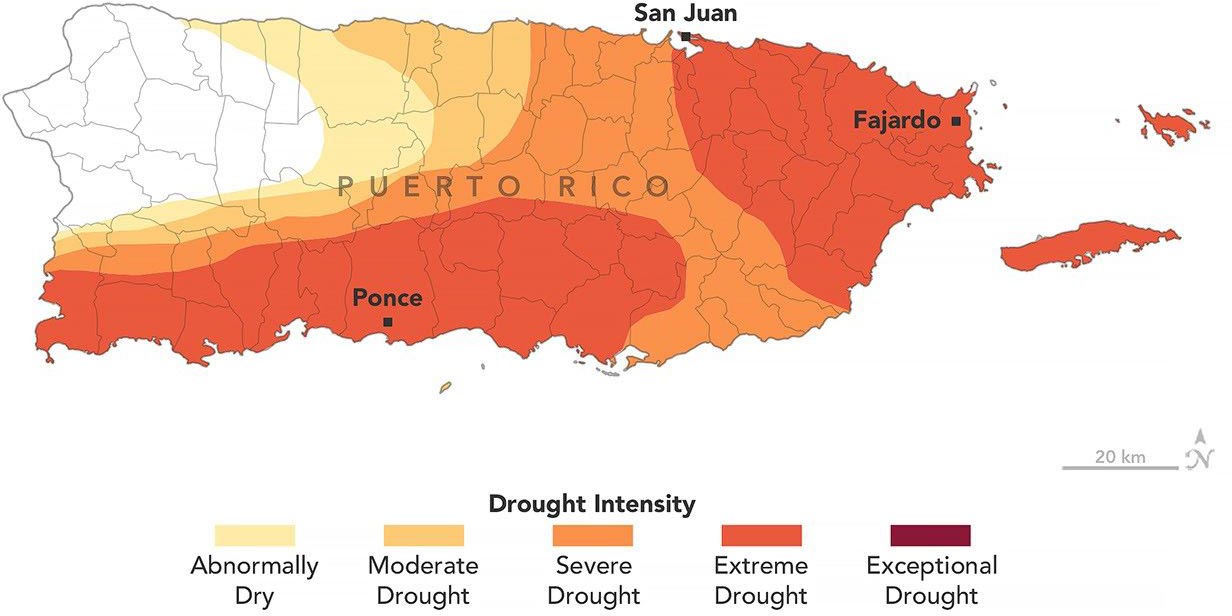
- Puerto Rico has transitioned from no drought conditions to extreme drought in a matter of months, highlighting the severity of the current climate crisis.
- The failure of expected rainfall during the wet season has exacerbated water shortages across the territory, impacting both agriculture and daily life.
- This rapid shift underscores the urgent need for improved water management strategies and climate resilience planning in Puerto Rico.
The alarming transition of Puerto Rico from no drought to extreme drought within just a few months underscores the pressing realities of climate change and its immediate impacts on vulnerable regions. As the island typically enters its wet season in May, the absence of expected rainfall through late August in 2026 has left much of the territory grappling with severe water shortages. This situation not only threatens agricultural productivity but also poses significant challenges to the daily lives of residents who rely on consistent water supply for their basic needs. The rapid onset of drought conditions serves as a stark reminder of the unpredictability of weather patterns in the context of a changing climate.
The failure of the anticipated rains has led to widespread consequences, as agricultural sectors face the brunt of the drought's impact. Crops that depend on regular watering are wilting, and farmers are left with dwindling resources to sustain their livelihoods. This agricultural distress is compounded by the fact that many communities in Puerto Rico are already dealing with the aftermath of previous climate-related disasters, making them particularly vulnerable to additional stressors such as drought. The situation calls for immediate attention to water management practices, as the current infrastructure may not be equipped to handle such rapid shifts in climate conditions.
Moreover, the implications of this extreme drought extend beyond agriculture; they touch on broader socio-economic issues. Water shortages can lead to increased competition for resources, potentially exacerbating tensions within communities. Additionally, the economic ramifications of crop failures could ripple through local markets, affecting food prices and availability. As Puerto Rico continues to navigate these challenges, the need for comprehensive climate resilience strategies becomes increasingly critical. Stakeholders must prioritize investments in sustainable water management systems and infrastructure to mitigate the impacts of future droughts.
This situation also highlights the importance of monitoring and forecasting weather patterns more effectively. Enhanced predictive capabilities could provide communities with better tools to prepare for and respond to extreme weather events. As Puerto Rico faces this unprecedented drought, it serves as a case study for other regions experiencing similar climatic shifts. The lessons learned here could inform broader strategies for climate adaptation and resilience, emphasizing the need for proactive measures in the face of an uncertain future.