Nickel Catalysts Don’t Work the Way Scientists Thought
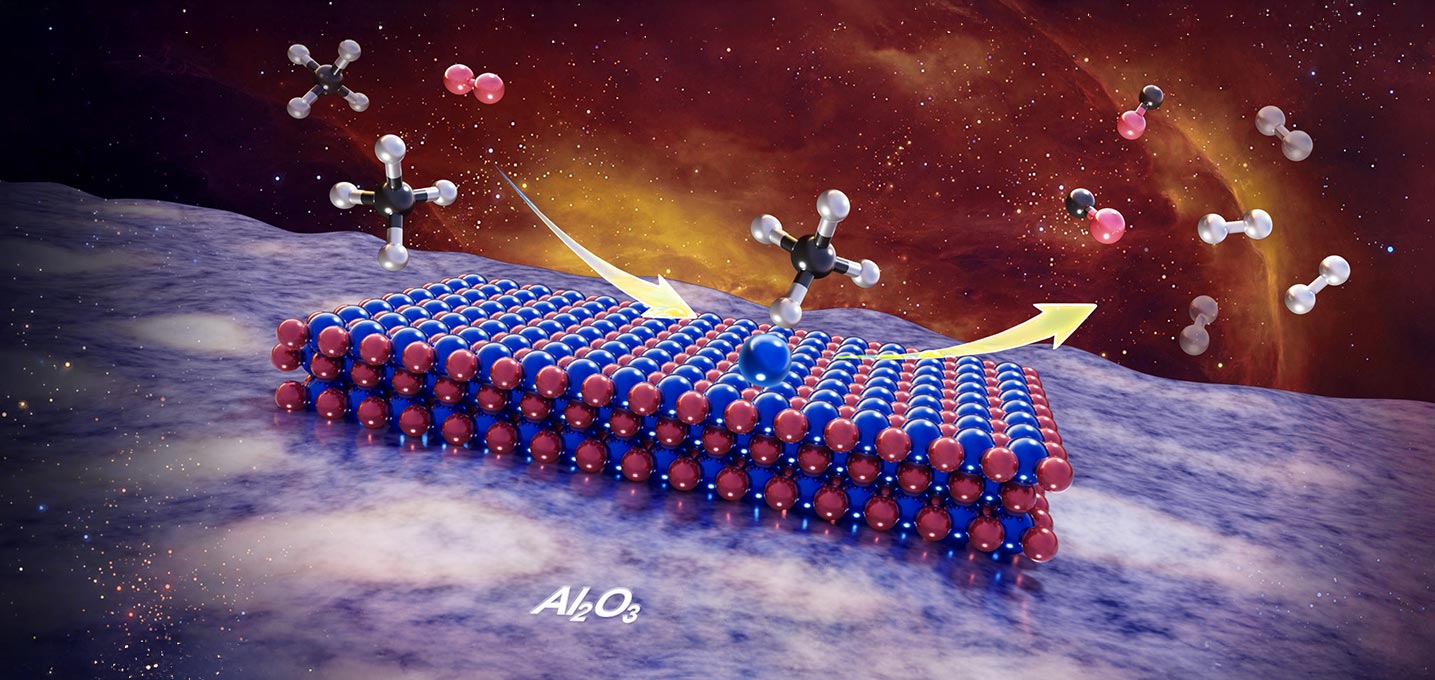
- A newly discovered atomic structure on nickel oxide could revolutionize methane catalysis by significantly reducing nickel usage.
- This finding challenges previous assumptions about nickel catalysts, indicating that their efficiency may stem from unexpected atomic configurations.
- Understanding the true mechanisms behind methane partial oxidation could enhance syngas production, impacting energy systems and clean technology advancements.
The recent discovery regarding nickel catalysts is a pivotal moment for the field of catalysis, particularly in the context of methane partial oxidation (POM). As industries seek more efficient methods to produce syngas, the revelation that a hidden atomic structure on nickel oxide can facilitate this process using ten times less nickel is not just a technical advancement; it represents a potential paradigm shift in how we approach catalyst design and resource utilization. The implications of this finding extend beyond mere efficiency; they touch on the broader themes of sustainability and resource conservation in energy systems.
This breakthrough stems from a reevaluation of the atomic interactions within nickel catalysts, which have long been thought to operate under a different set of principles. The research indicates that the efficiency of these catalysts may not solely rely on the nickel itself, but rather on the intricate atomic arrangements that form on the surface of nickel oxide during the catalytic process. This challenges the established understanding of how nickel catalysts function, suggesting that the atomic structure plays a more critical role than previously acknowledged. Such insights could lead to the development of catalysts that are not only more efficient but also less reliant on expensive materials.
The implications for the production of syngas are profound. Syngas, a crucial intermediate in the production of various chemicals and fuels, can be generated more efficiently with the right catalyst. By leveraging this newfound understanding of nickel oxide's atomic structure, researchers and engineers can optimize the catalytic processes involved in methane oxidation. This could lead to lower production costs and a reduced environmental footprint, aligning with global efforts to transition towards cleaner energy solutions.
Moreover, the potential to use significantly less nickel in these processes could alleviate some of the supply chain pressures associated with this critical metal, which is often subject to volatile market conditions. As industries increasingly prioritize sustainability, the ability to produce syngas with reduced reliance on nickel not only enhances economic viability but also aligns with the goals of clean technology advancements. This discovery thus opens the door to further research and development, potentially leading to innovative applications in energy systems that were previously deemed impractical.