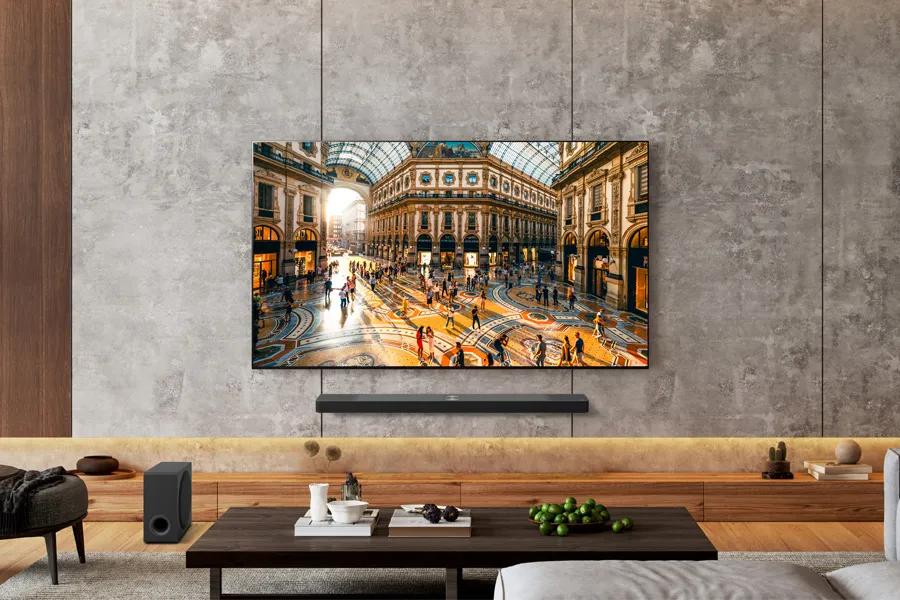
LG TV shown scanning LAN for third-party phones and other devices
- LG TVs are under scrutiny for potentially tracking user activity even when powered off, raising significant privacy concerns.
- Security researchers and technology analysts have demonstrated that LG TVs, including the G5 OLED model, actively scan local networks for connected devices.
- This capability suggests a broader issue regarding user consent and data privacy in smart home technology.
The revelation that LG TVs can track user activity while seemingly off is a critical moment in the ongoing debate about privacy in smart technology. As consumers increasingly integrate smart devices into their homes, the implications of such surveillance capabilities become more pressing. The findings from Gamers Nexus and Level1Techs highlight a concerning trend where devices may be collecting data without explicit user consent, potentially infringing on personal privacy rights.
The analysis conducted by these technology-focused channels revealed that LG's G5 OLED TV was not only scanning for its own network connections but also identifying unrelated devices, such as smartphones and smartwatches belonging to individuals unaware of the testing. This behavior raises alarms about the extent of data collection practices employed by manufacturers, particularly in devices that are marketed as being user-friendly and privacy-conscious.
What this means for consumers is a growing need for transparency from manufacturers regarding how their devices operate, especially when it comes to data collection. The ability of LG TVs to crawl entire networks suggests that the company may not have adequately communicated the extent of their tracking capabilities, leading to potential breaches of trust with their user base. As smart home technology continues to evolve, the expectation for clear privacy policies and user consent mechanisms becomes paramount.
This incident serves as a wake-up call not only for LG but for the entire industry, emphasizing the necessity for robust privacy standards and regulations. As consumers become more aware of these issues, companies may face increased pressure to ensure that their devices respect user privacy and operate transparently. The implications of this scrutiny could lead to significant changes in how smart devices are designed and marketed, with a greater focus on user rights and data protection.