Tiny sound waves could help solve a major quantum computing problem
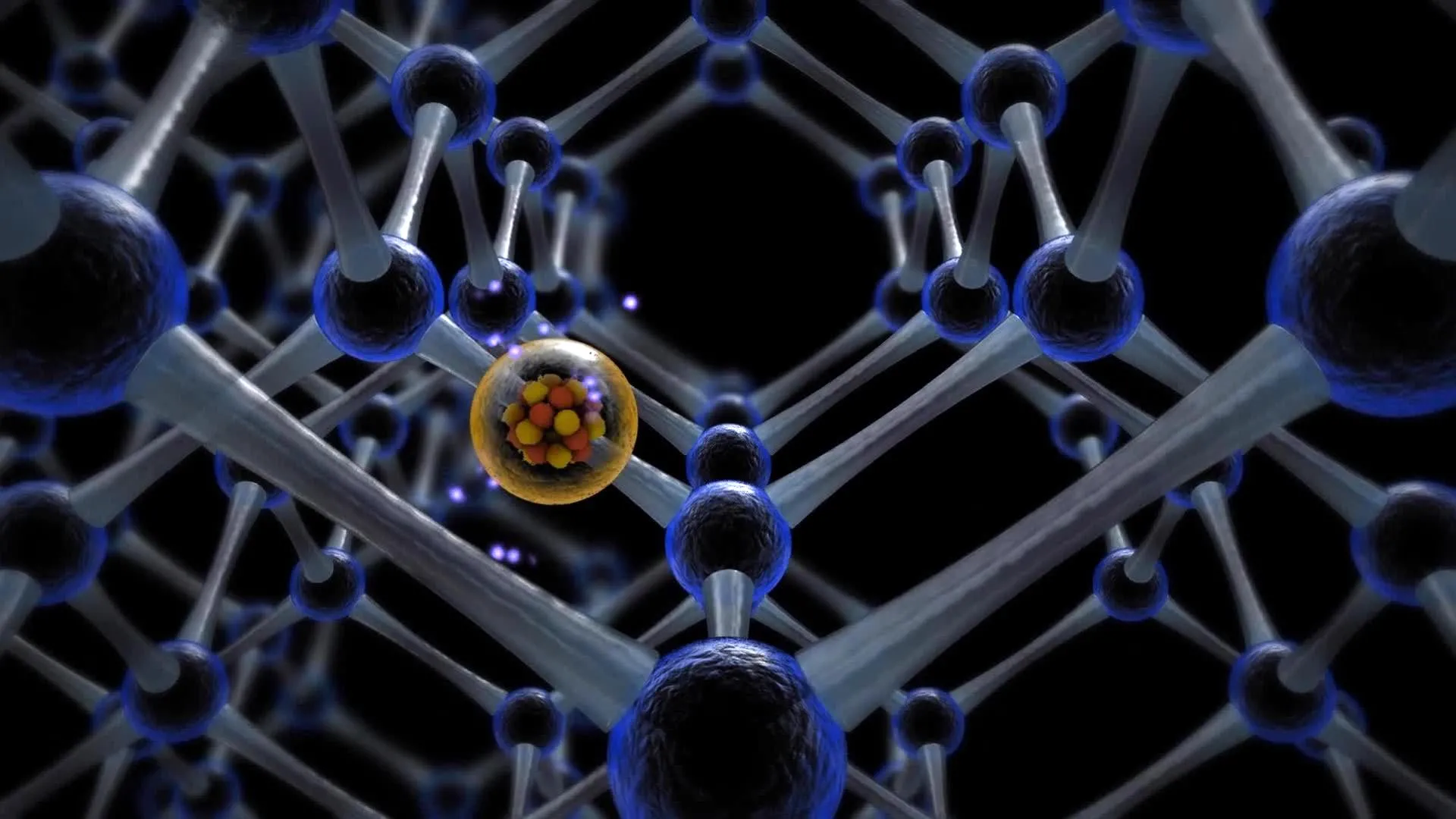
- Researchers have successfully used microscopic sound waves to enhance the coherence time of diamond-based qubits, indicating a significant advancement in quantum information protection.
- This innovation could lead to the development of compact, sound-based quantum networks on chips, potentially transforming quantum computing architectures.
- The findings underscore the importance of integrating mechanical vibrations into quantum systems to address coherence challenges, a critical barrier in the field.
The urgency of addressing coherence challenges in quantum computing has never been more pronounced, as researchers strive to unlock the full potential of quantum technologies. The recent breakthrough by Harvard researchers, who have demonstrated the ability to protect quantum information using microscopic sound waves, represents a pivotal advancement in this ongoing quest. By enveloping a diamond-based qubit in mechanical vibrations, they have managed to extend its coherence time by approximately threefold, a significant improvement that could reshape the landscape of quantum computing.
This innovative approach leverages phonons—quantized sound waves—to create a protective environment for qubits, which are notoriously susceptible to decoherence. The implications of this technique are profound; not only does it enhance the stability of quantum information, but it also suggests that these same phonons could be utilized for transmitting quantum data. This dual functionality opens the door to the possibility of compact sound-based quantum networks on chips, a development that could streamline quantum computing architectures and make them more accessible for practical applications.
The research highlights the potential of integrating mechanical vibrations into quantum systems, a strategy that could address one of the most critical barriers in the field: maintaining coherence over extended periods. As quantum technologies continue to evolve, the ability to protect and transmit information effectively will be paramount. The findings from Harvard not only advance our understanding of qubit behavior but also set the stage for future innovations that could lead to more robust and efficient quantum computing solutions.
In summary, the successful application of microscopic sound waves to enhance qubit coherence time marks a significant milestone in quantum research. As the field moves toward the realization of practical quantum networks, this breakthrough could catalyze further exploration into sound-based quantum systems, ultimately contributing to the development of more resilient and scalable quantum computing technologies.