The Reality and Illusion of Physical AI: Unlocking Real-World Potential vs. Separating Hype from Truth
- The widespread adoption of physical AI in manufacturing is hindered by significant technical maturity challenges, particularly concerning industrial robotic manipulators.
- China's potential leadership in the physical AI sector is contingent upon overcoming these obstacles and advancing its technological capabilities.
- Industry stakeholders must navigate the complex landscape of manufacturing AI, balancing optimism with a realistic understanding of current limitations and timelines.
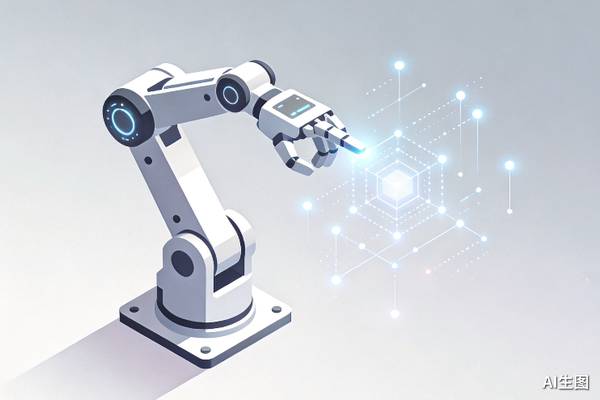
The urgency surrounding the integration of physical AI into manufacturing cannot be overstated, as the sector grapples with the promise of enhanced efficiency and productivity against the backdrop of substantial technical hurdles. The anticipated seamless transition to physical AI is increasingly questioned, particularly as industry experts highlight the limitations posed by the current state of technology. Central to this discussion is the role of industrial robotic manipulators, often referred to as robotic fingers, which are crucial for the effective deployment of physical AI systems. Without significant advancements in these components, the large-scale implementation of physical AI remains a distant goal rather than an imminent reality.
Recent analyses indicate that while the potential for physical AI to revolutionize manufacturing exists, the path forward is fraught with challenges. The technical maturity of robotic manipulators is a primary concern; these components must evolve to meet the demands of complex manufacturing environments. As such, the timeline for widespread adoption appears more extended than many stakeholders initially anticipated. This reality necessitates a recalibration of expectations, particularly for investors and technology researchers who are eager to capitalize on the AI revolution.
China's position in the global physical AI landscape is particularly noteworthy, as the country has made significant investments in robotics and intelligent manufacturing. However, achieving a leadership role will require overcoming the same technical barriers that challenge the industry at large. The development foundation of China's physical AI track is robust, yet it must be complemented by breakthroughs in the technology that underpins robotic manipulators. The interplay between investment, innovation, and technical advancement will ultimately dictate whether China can emerge as a frontrunner in this competitive arena.
As the manufacturing sector continues to explore the integration of physical AI, industry practitioners must remain vigilant and informed about the evolving landscape. The balance between optimism for the future and a grounded understanding of current limitations is critical. Stakeholders must engage in ongoing dialogue about the realistic timelines for technological advancements and the competitive dynamics that will shape the future of manufacturing AI. This nuanced perspective will be essential for navigating the complexities of the industry and making informed decisions that align with both current capabilities and future potential.