Tata Considers Expanding Armored Vehicle Production in Morocco

- Tata Advanced Systems Limited is exploring the possibility of expanding its defense manufacturing in Morocco to include the Light Armoured Multipurpose Vehicle (LAMV).
- The expansion would leverage the existing production capabilities at Tata's Berrechid facility, which currently manufactures WhAP 8×8 armored vehicles.
- This move aligns with Morocco's strategy to enhance its domestic defense industry through international partnerships, particularly with India.
The potential expansion of Tata Advanced Systems Limited's (TASL) operations in Morocco is a significant development in the context of the country's growing defense manufacturing sector. As Morocco seeks to bolster its military capabilities and establish itself as a regional hub for armored vehicle production, Tata's interest in the Light Armoured Multipurpose Vehicle (LAMV) could play a crucial role in this strategy. The urgency of this expansion reflects not only the increasing demand for versatile military vehicles but also Morocco's commitment to developing a self-sufficient defense industry through strategic partnerships.
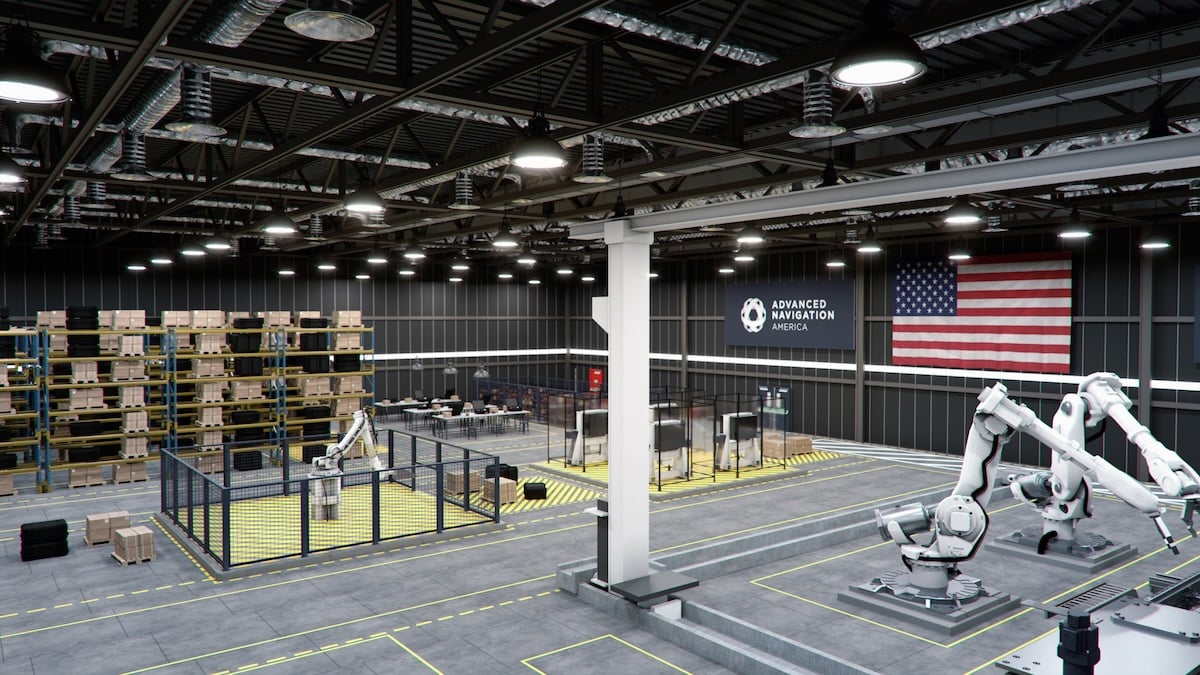
Tata's current operations at the Berrechid facility, which began producing WhAP 8×8 armored combat vehicles for the Royal Moroccan Armed Forces, set a solid foundation for this potential expansion. The factory, inaugurated in September 2025, is part of a broader initiative to integrate local suppliers into the defense supply chain, with an initial target of 35% locally sourced components, projected to rise to 50%. This local sourcing strategy not only enhances the sustainability of the production process but also fosters job creation and skills development within Morocco, aligning with national economic goals.
The LAMV, showcased at the recent Marrakech Air Show, represents a tactical addition to Tata's offerings, designed for operations requiring both mobility and protection. Its smaller size compared to the WhAP allows it to meet diverse operational needs, potentially appealing to both domestic and international markets. However, while the presence of the LAMV at the air show indicates Tata's intent to expand its portfolio in Morocco, the specifics regarding the timeline and scale of production remain uncertain. This ambiguity underscores the need for further discussions and approvals before any manufacturing can commence.
Morocco's strategic partnership with India is pivotal in this context, as it combines foreign technological expertise with local production capabilities. This collaboration not only aims to enhance Morocco's defense capabilities but also positions the country as a potential exporter of armored vehicles to other African nations. As the Moroccan government continues to prioritize the development of its defense industry, Tata's potential expansion could serve as a catalyst for further investments and partnerships in the sector, ultimately contributing to the country's long-term economic and security objectives.