Red Sea Security Begins On Land – OpEd
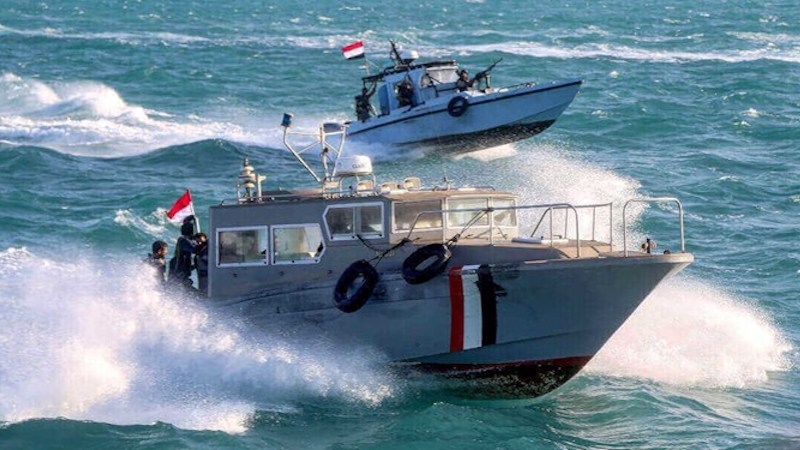
- The Houthi militia's threat to maritime security in the Red Sea is rooted in their control over Yemeni territory, which enables smuggling and military operations against international shipping.
- Restoring Yemeni state sovereignty over its ports and coastline is essential for achieving lasting maritime security, as only state institutions can effectively dismantle smuggling networks and control strategic weapons.
- A strategic shift is necessary, focusing on disarming the Houthis, linking land and sea operations, and investing in Yemen's coast guard and intelligence capabilities to ensure that foreign naval presence is not a permanent necessity.
The urgency of addressing the Houthi militia's threat to maritime security in the Red Sea cannot be overstated; the implications extend far beyond regional stability to global shipping and economic interests. The reality is that every missile or drone launched by the Houthis is the culmination of a complex chain of activities that begins on land, where smuggling, assembly, and military decision-making occur outside the purview of Yemeni state authority. This understanding necessitates a fundamental rethinking of how security in the Red Sea is approached, moving from a reactive stance focused solely on intercepting attacks to a proactive strategy aimed at dismantling the underlying capabilities that allow such threats to emerge.
The Houthi militia has evolved from a domestic insurgency into a significant threat to international waterways, bolstered by Iranian support and sophisticated military capabilities. Their control over territory and coastline enables them to threaten commercial vessels and disrupt vital shipping routes, particularly in the strategically critical Bab el-Mandeb Strait. This transformation underscores the need to recognize that the militia's activities are not isolated incidents but rather part of a broader strategy that endangers global trade and energy markets. The geographic positioning of Yemen amplifies this threat, making it imperative to address the militia's operational space and capabilities.
International naval forces have played a crucial role in safeguarding vessels and ensuring freedom of navigation; however, their presence alone cannot eliminate the root causes of insecurity. While naval interceptions can disrupt immediate threats, they do not address the smuggling networks or restore state authority over Yemeni territory. The distinction between managing consequences and addressing the source of the threat is critical; without a strategy that encompasses both land and maritime operations, the cycle of attacks will persist. The restoration of Yemeni state sovereignty is not merely a political objective but a foundational element of any effective security strategy in the region.
To achieve sustainable security in the Red Sea, a comprehensive approach is required. This includes treating the disarmament of the Houthis as integral to maritime security, linking land operations to maritime efforts, and investing in the development of Yemen's coast guard and intelligence capabilities. The international community must prioritize the establishment of robust Yemeni institutions capable of enforcing laws, monitoring territorial waters, and preventing the exploitation of commercial activities for military purposes. Only by closing smuggling routes and restoring state authority can the operational space for the Houthi militia be effectively reduced, thereby diminishing the need for a continuous foreign naval presence.
Ultimately, the call to address the Houthi threat is not a call for perpetual conflict but rather a strategic imperative to dismantle the conditions that allow such threats to regenerate. The time has come for a shift in focus from merely managing the symptoms of insecurity to addressing the root causes, ensuring that when foreign naval forces depart, a capable and sovereign Yemeni state remains to uphold security and stability in the Red Sea.