Fortescue adapts car welding robots for its 6 MW electric truck chargers, the world’s biggest
- Fortescue is investing over $6 billion to develop a new grid powered entirely by renewable energy, aiming to eliminate fossil fuels from its iron ore operations.
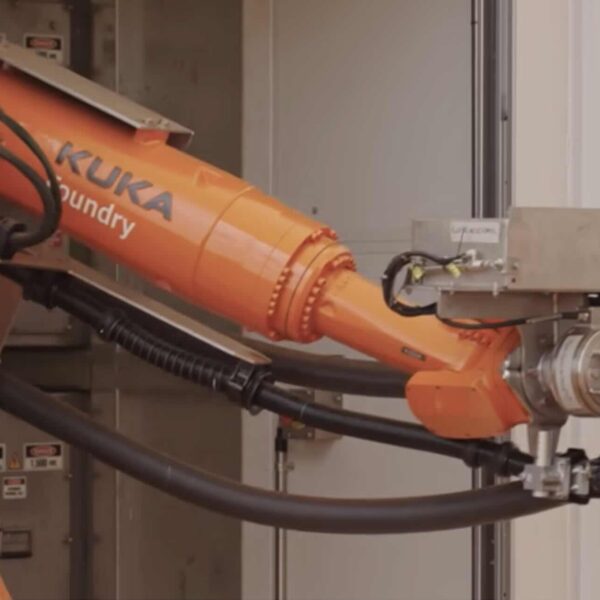
- The company is utilizing adapted car welding robots to manufacture the world's largest 6 MW electric truck chargers, showcasing innovation in its operational strategy.
- This initiative underscores Fortescue's commitment to sustainability and positions it as a leader in the transition to clean energy within the mining sector.
The urgency of transitioning to renewable energy sources has never been more pronounced, especially for industries like mining that have historically relied on fossil fuels. Fortescue's announcement of its 6 MW electric truck chargers represents a significant step towards decarbonizing its operations in the Pilbara region. By investing over $6 billion in a new grid powered solely by renewable energy, the company is not only addressing environmental concerns but also positioning itself competitively in a market increasingly focused on sustainability.
The adaptation of car welding robots for the production of these chargers is a notable innovation that highlights Fortescue's strategic approach to manufacturing. By leveraging existing technology from the automotive sector, the company can streamline its production processes while ensuring high-quality output. This move not only enhances operational efficiency but also reflects a broader trend in the industry where cross-sector technology applications are becoming more common as companies seek to innovate and reduce costs.
Fortescue's initiative is indicative of a larger shift within the mining sector towards embracing clean technology. As the demand for electric vehicles and renewable energy solutions grows, companies like Fortescue are recognizing the necessity of aligning their operations with these trends. The development of the world's largest electric truck chargers is a bold statement of intent, signaling to stakeholders that Fortescue is serious about its sustainability goals and is willing to invest heavily to achieve them.
This strategic pivot not only enhances Fortescue's reputation as a leader in sustainable mining practices but also sets a precedent for other companies in the sector. As regulatory pressures increase and public sentiment shifts towards environmental responsibility, Fortescue's proactive measures may serve as a blueprint for others looking to navigate the complexities of the energy transition. Ultimately, the success of this initiative could redefine operational standards in mining, pushing the industry closer to a future where fossil fuels are no longer a necessity.